9.4
★★★★
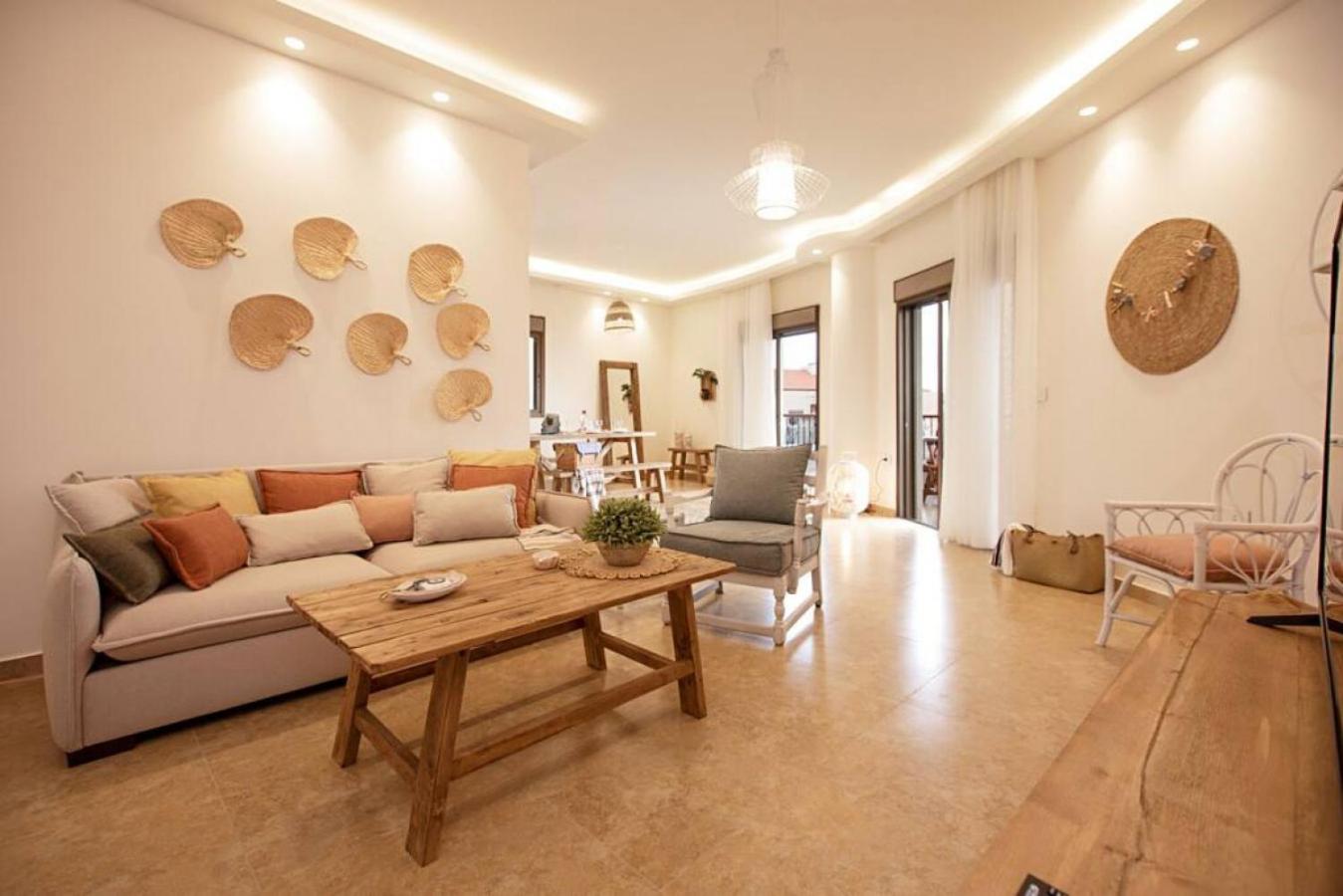
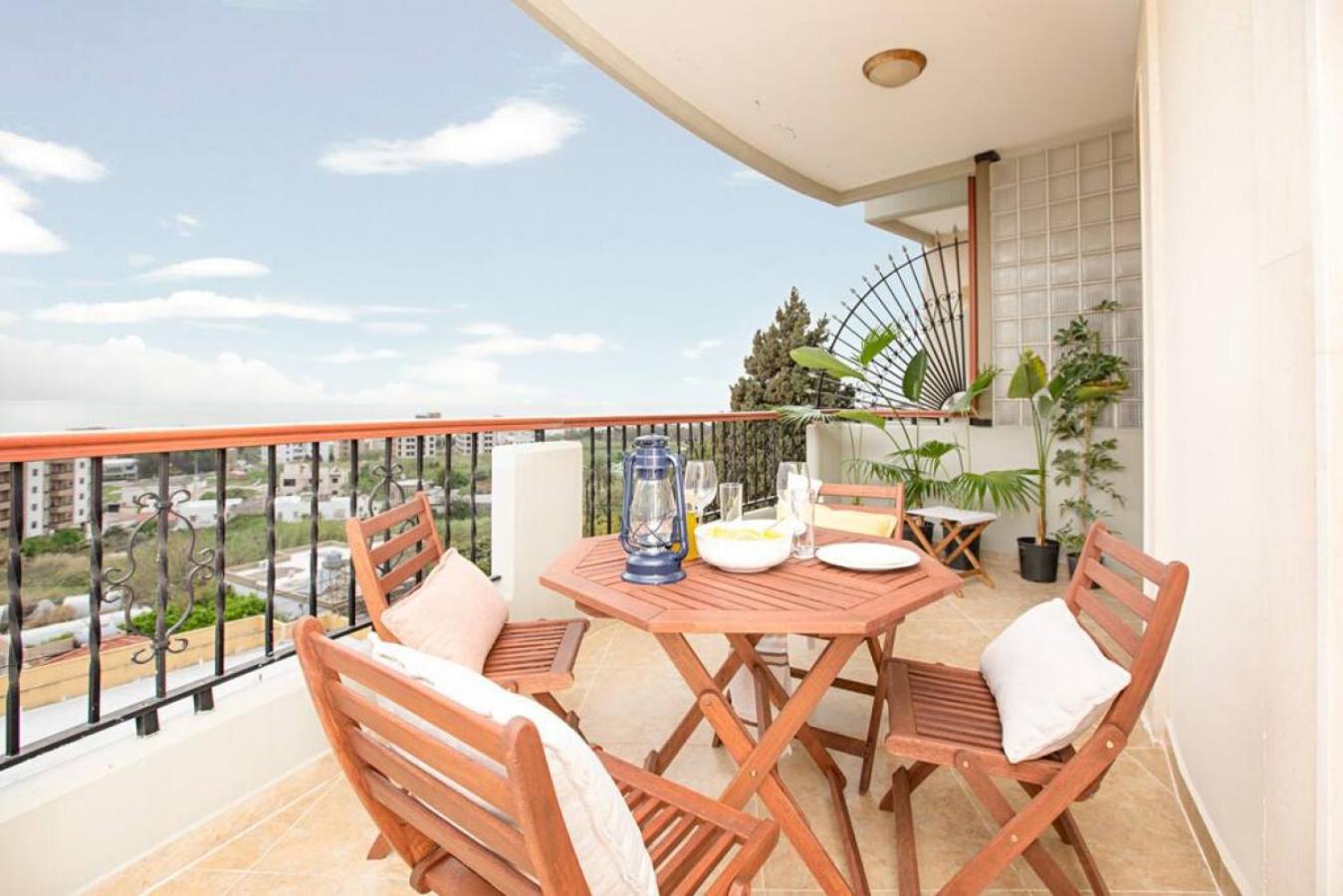
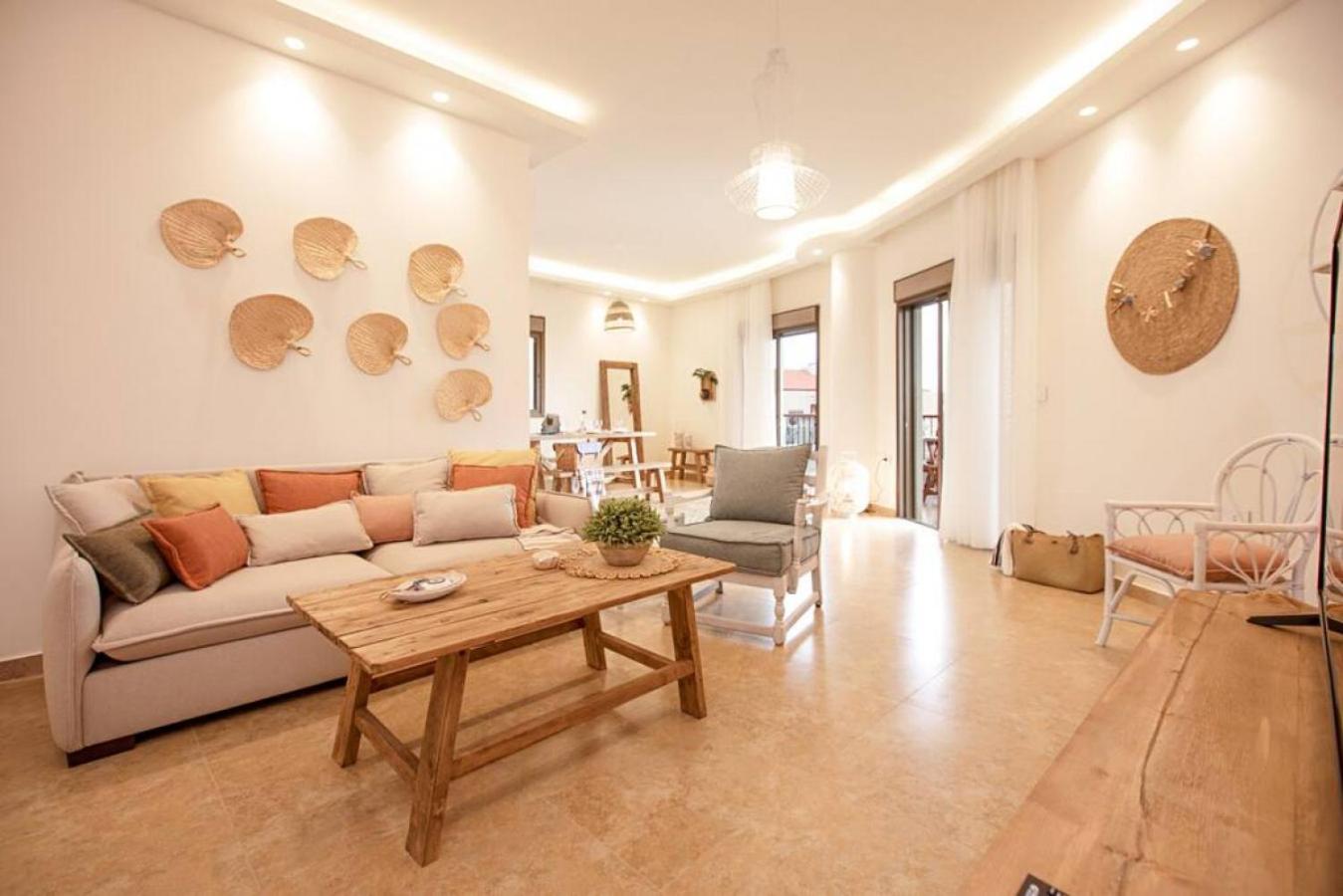
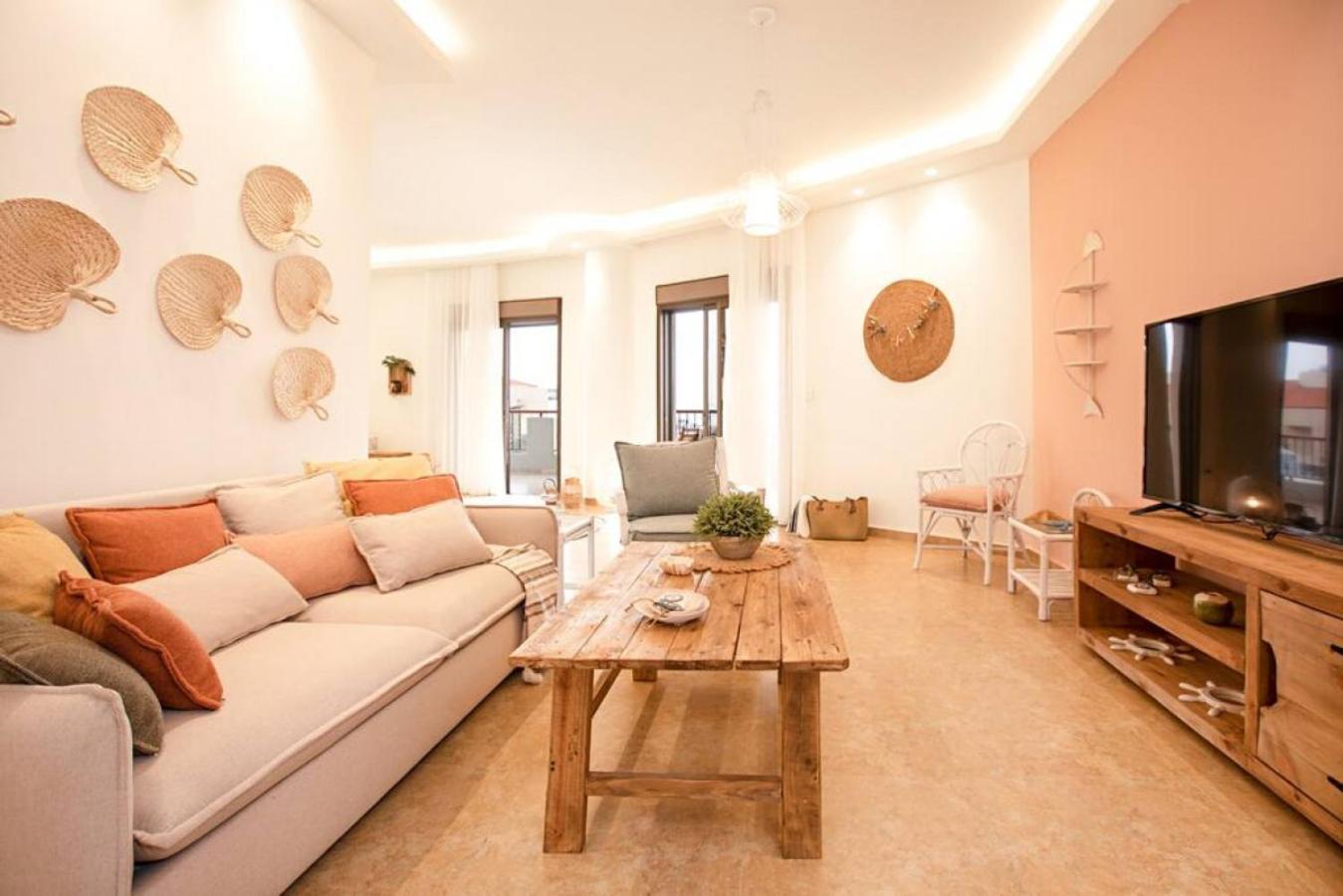
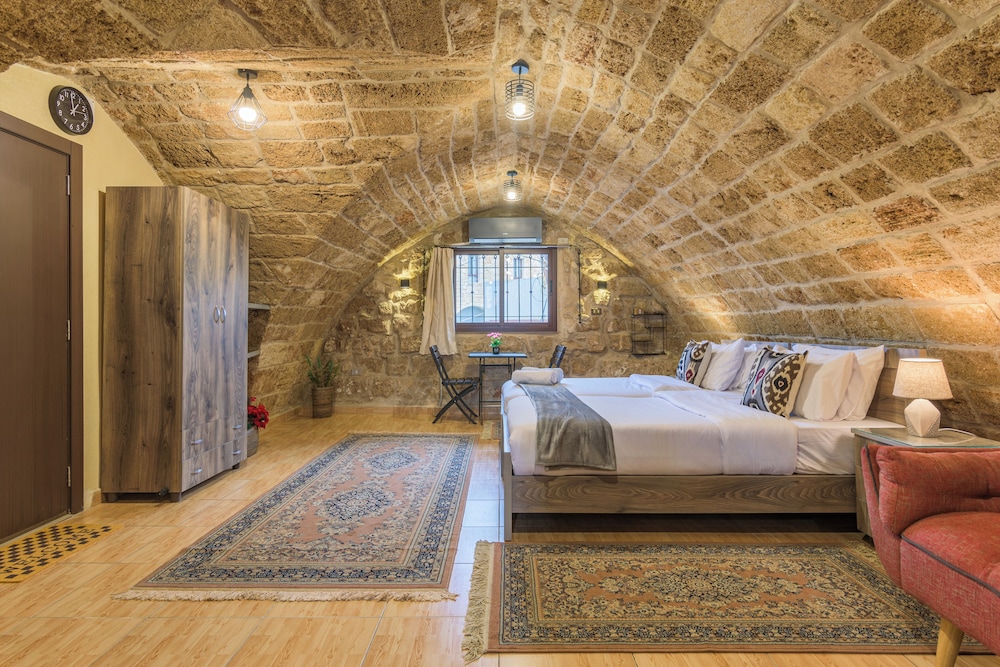
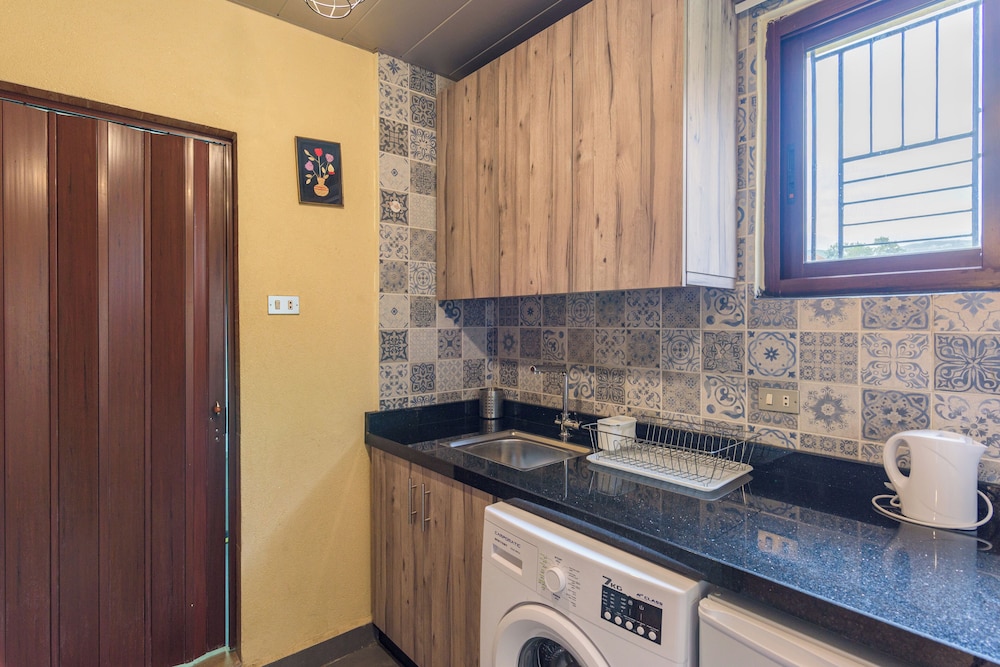
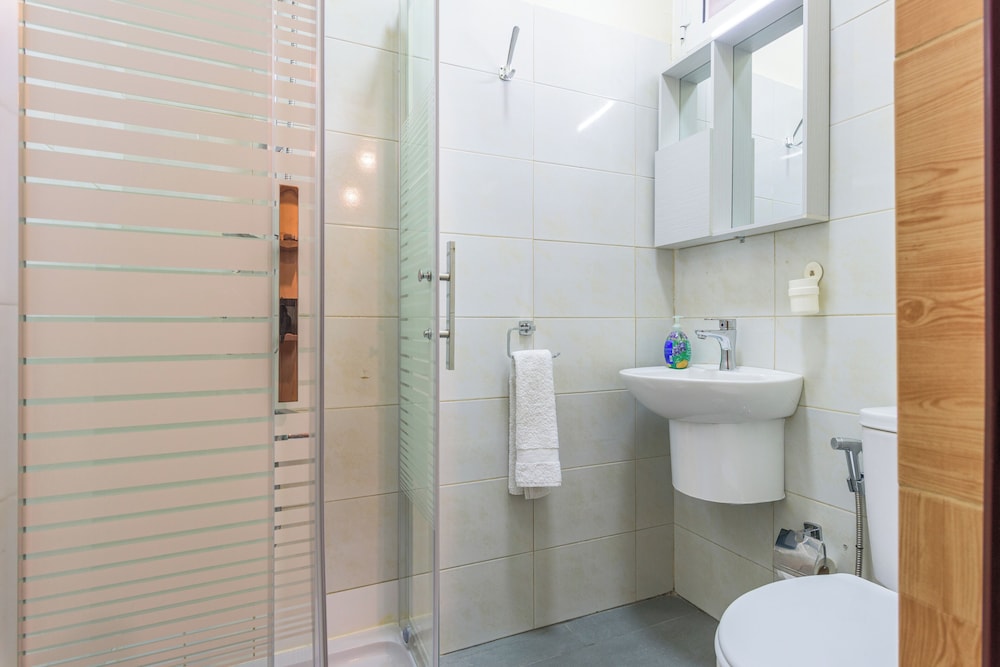
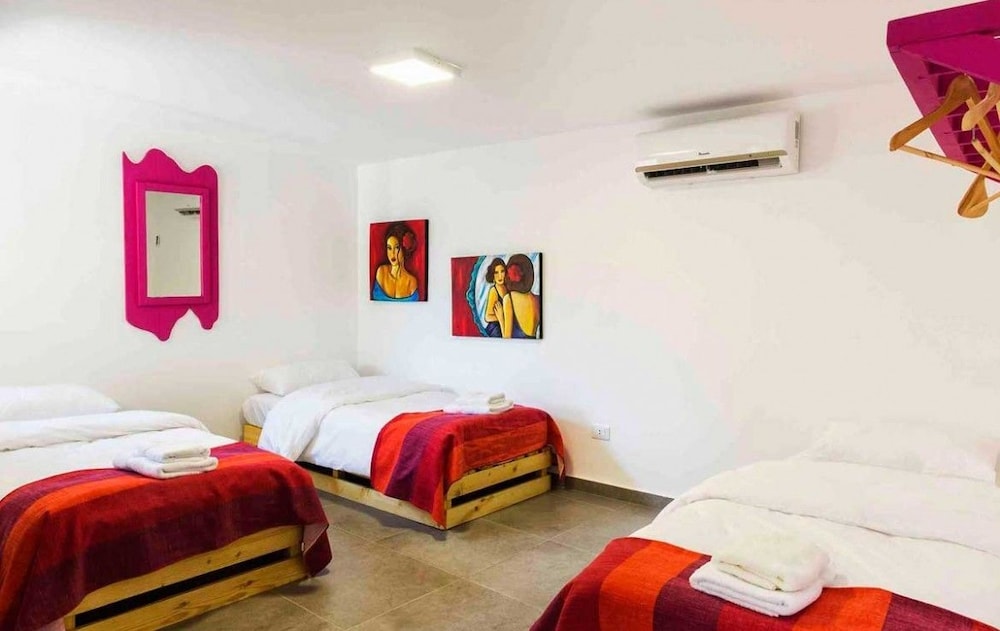
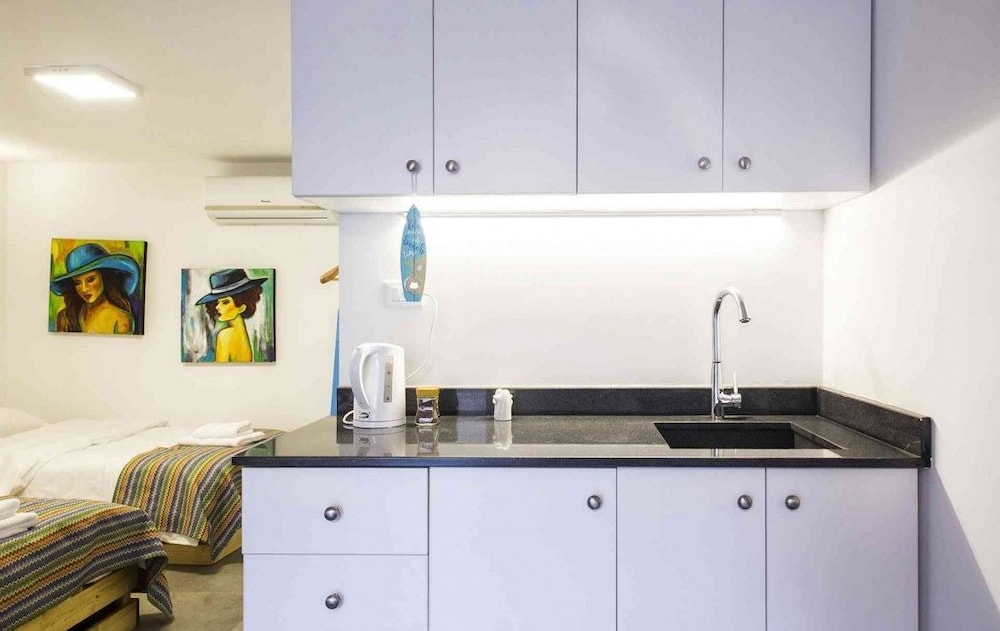
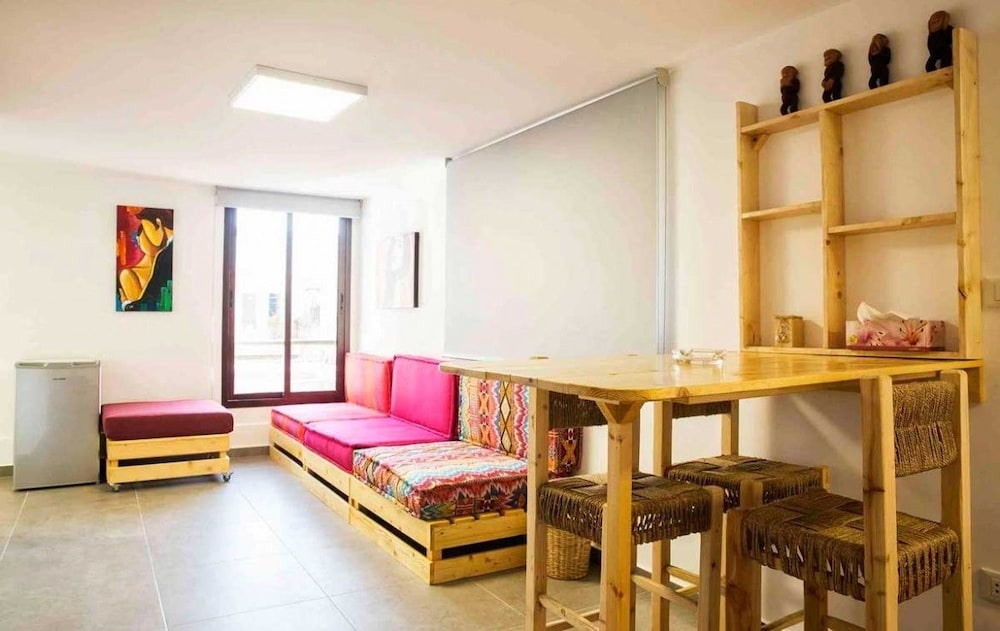
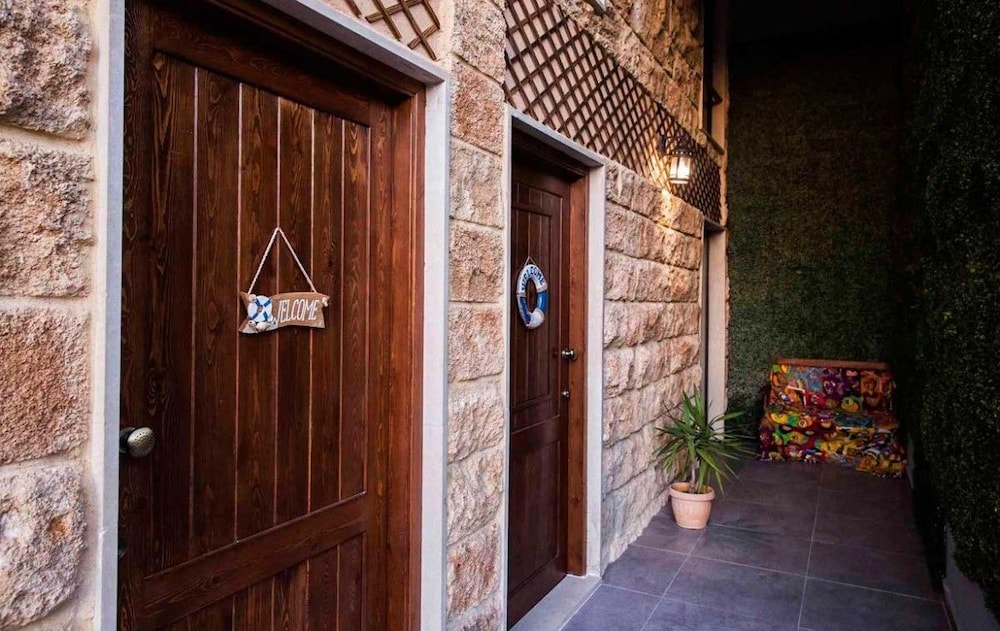
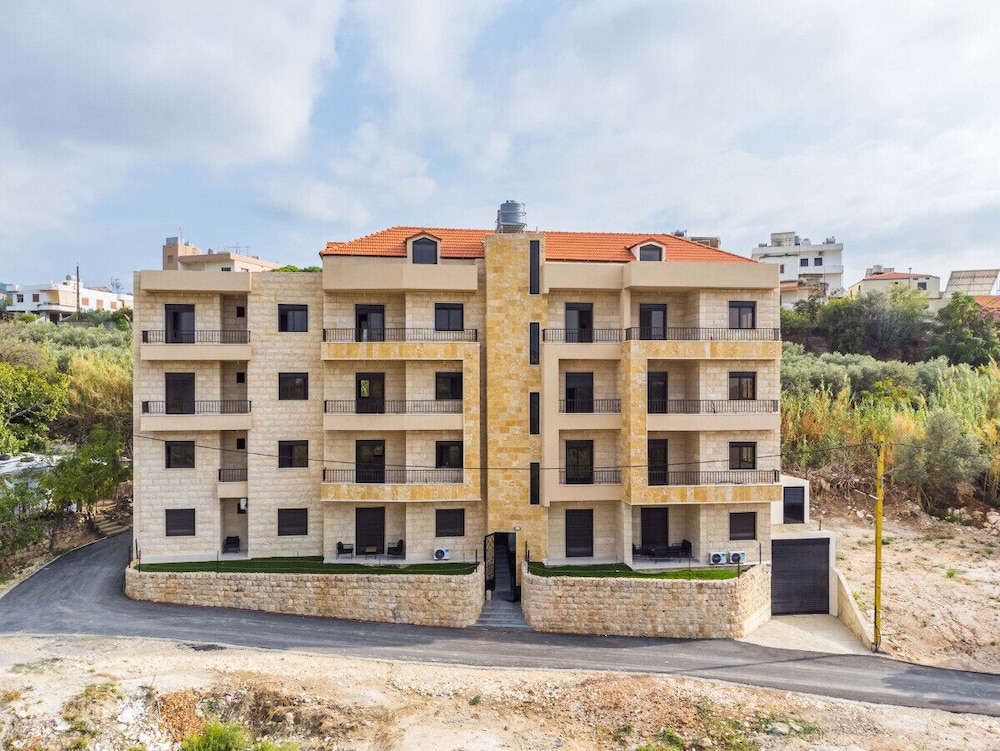
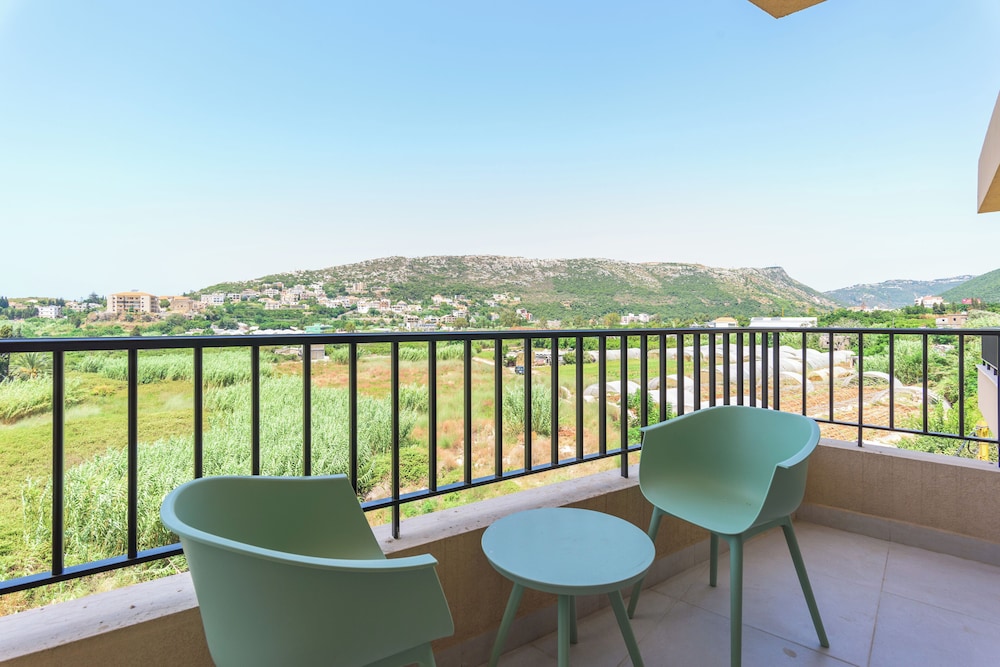
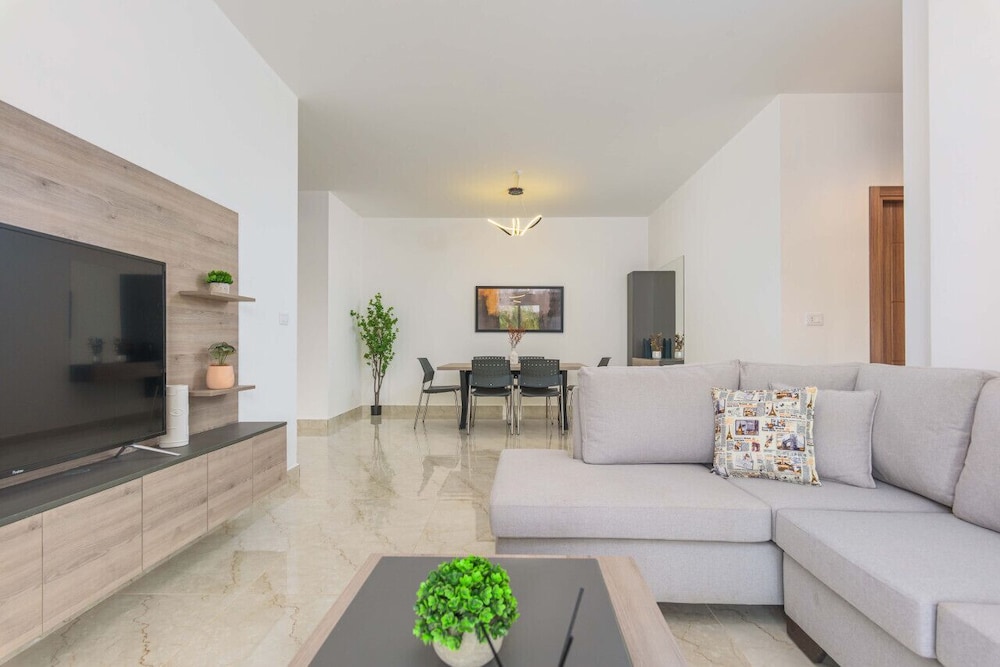
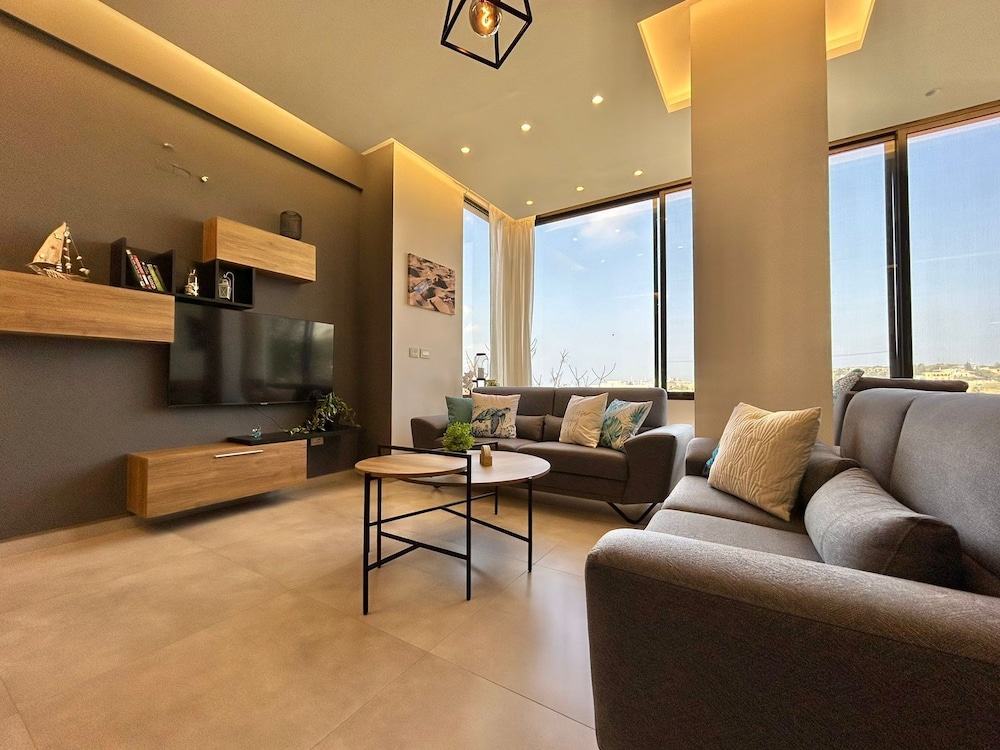
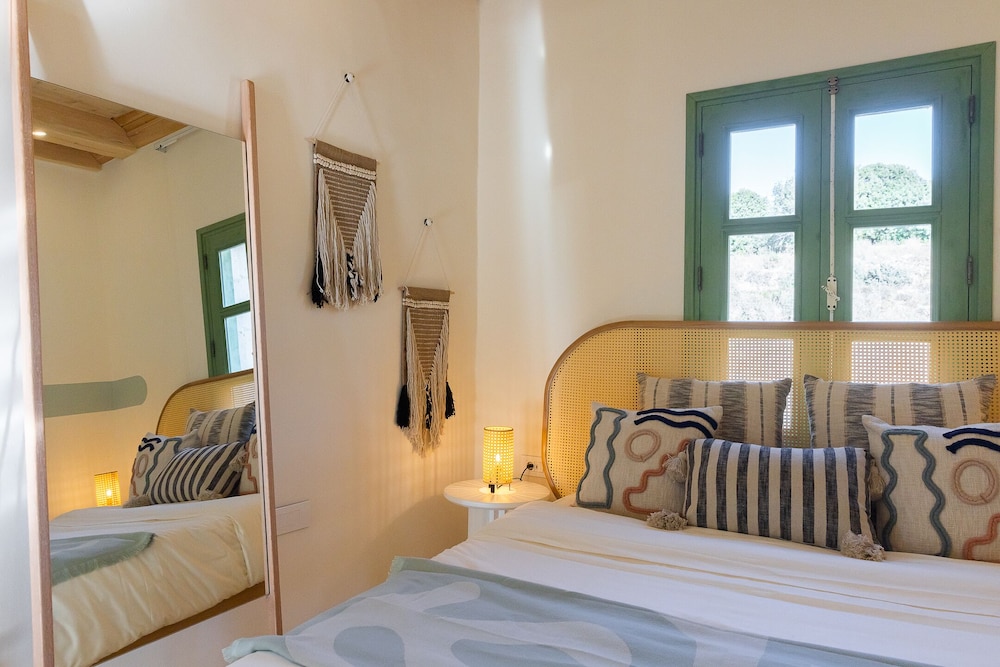
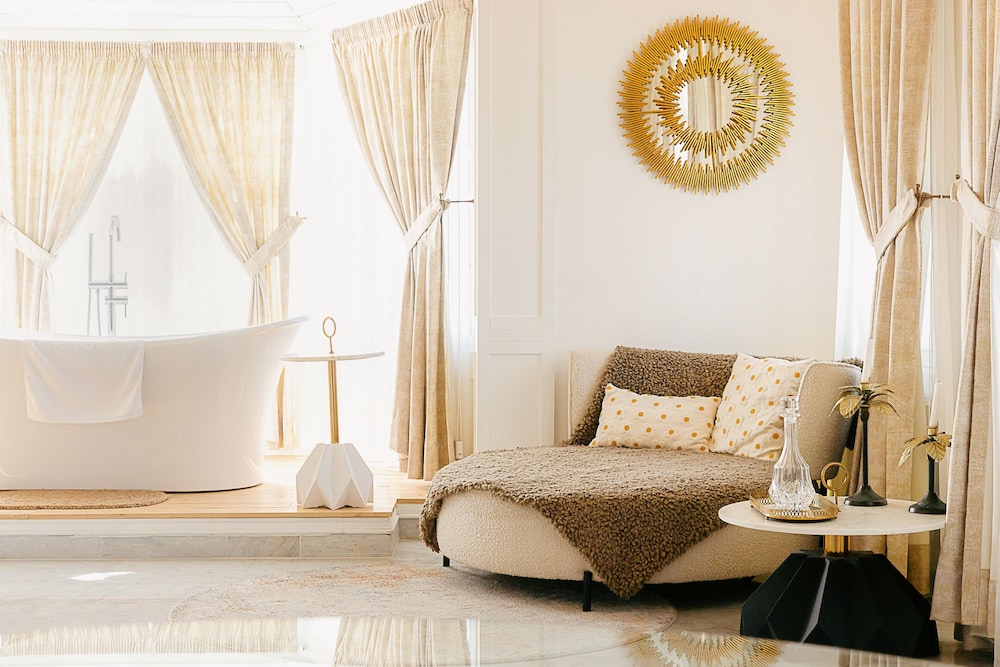
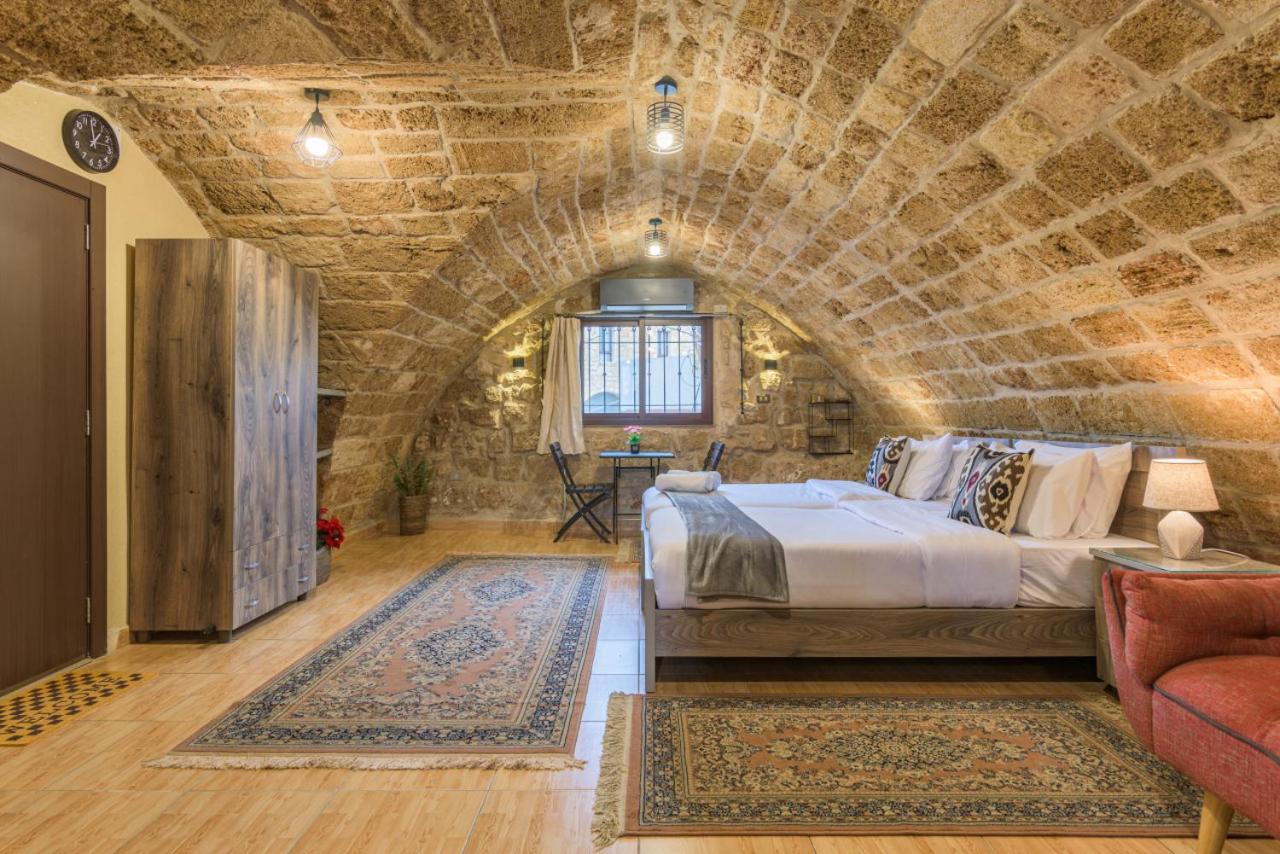
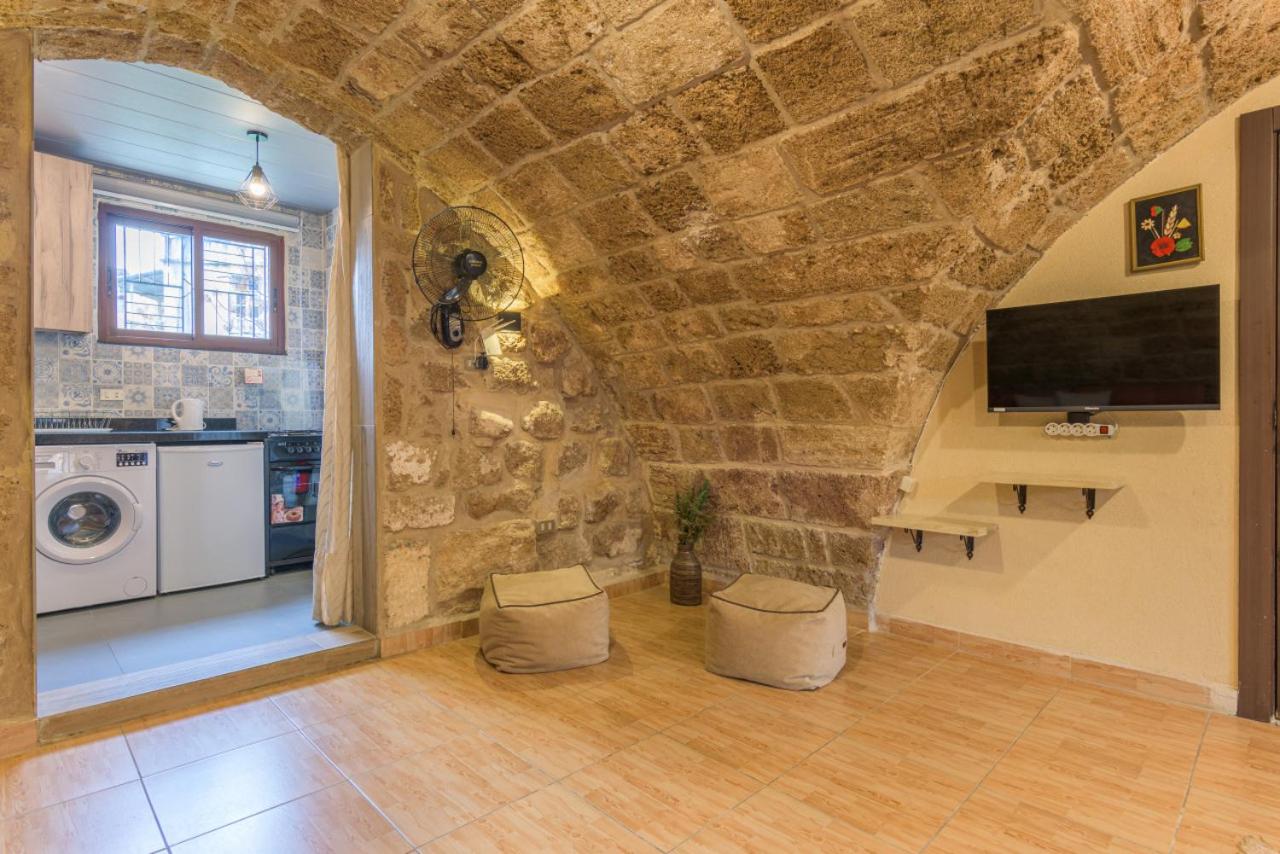
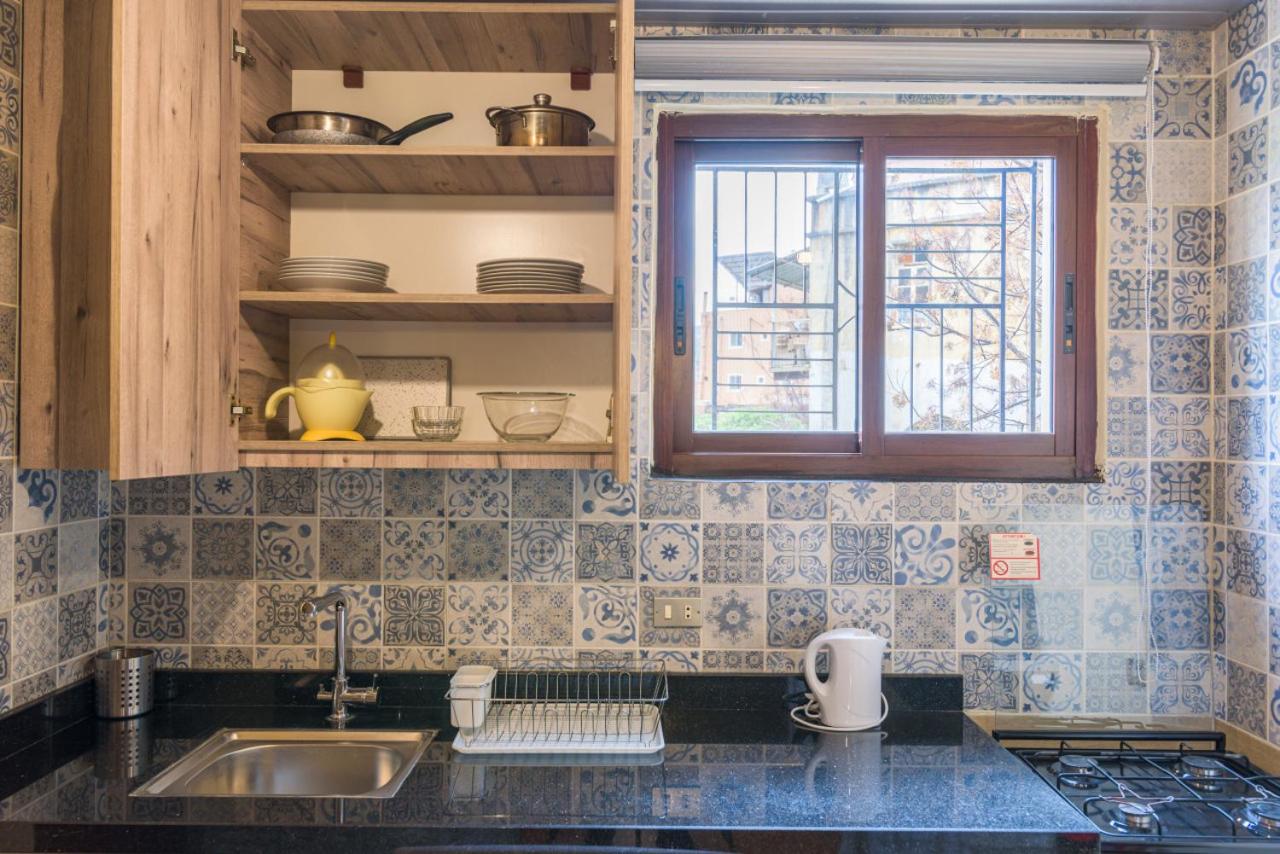
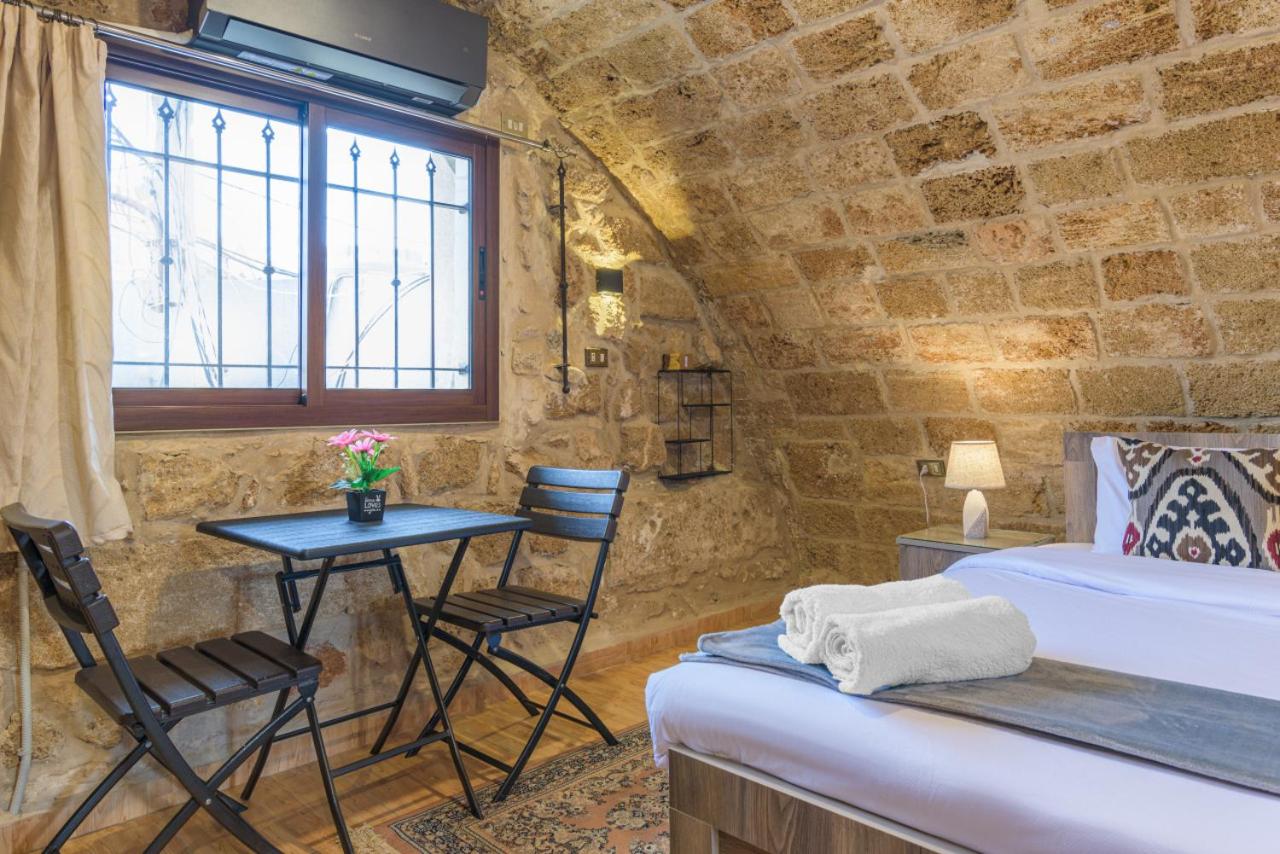
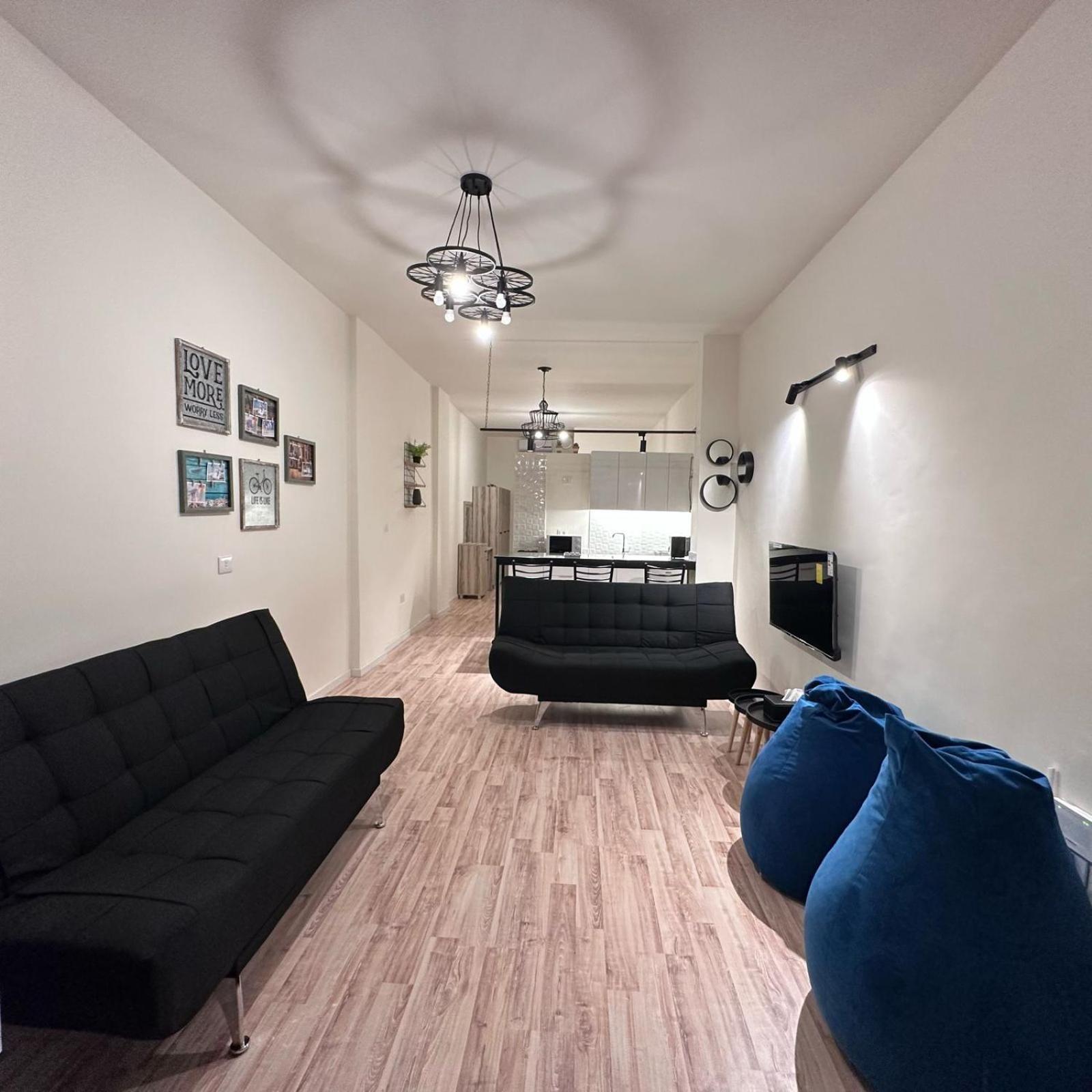
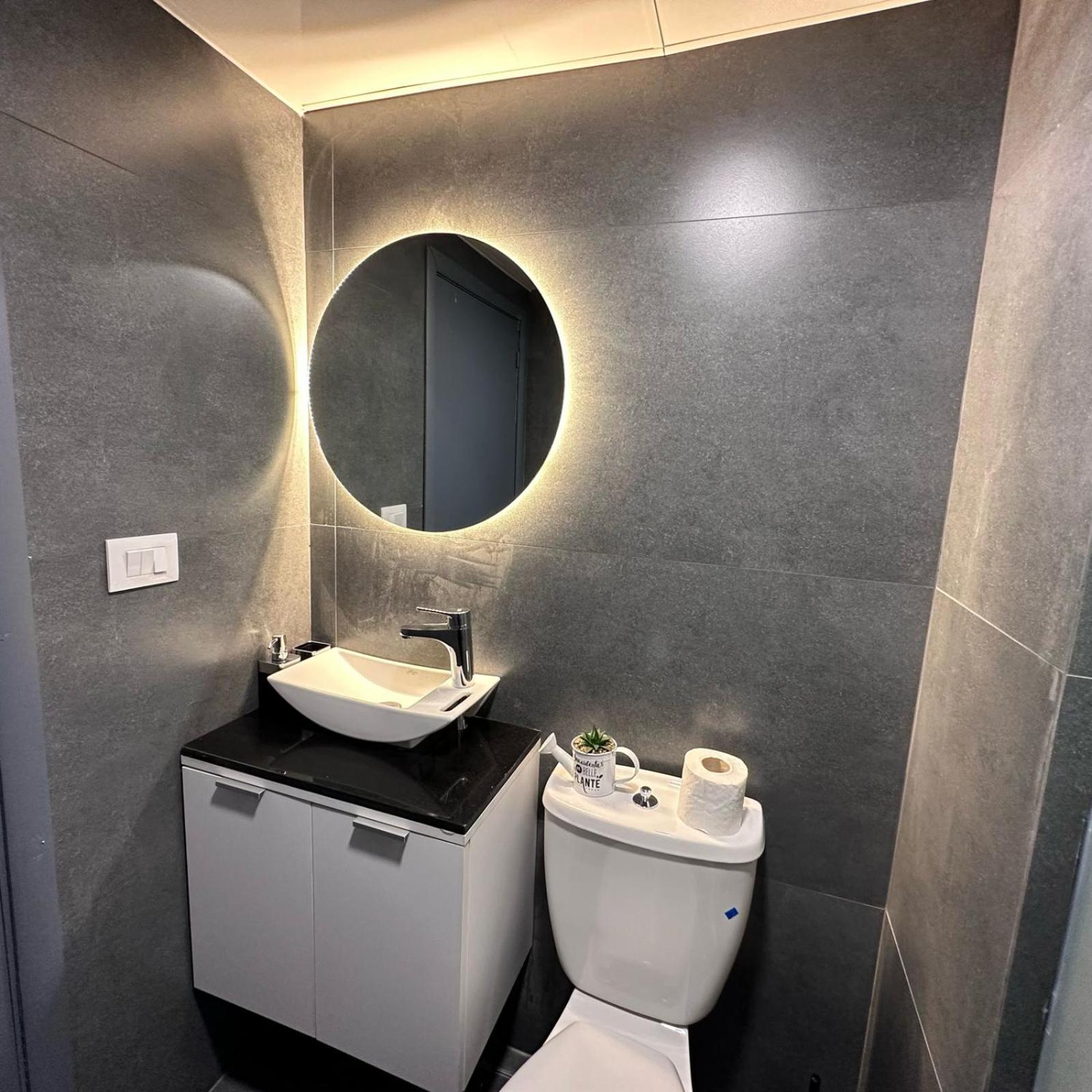
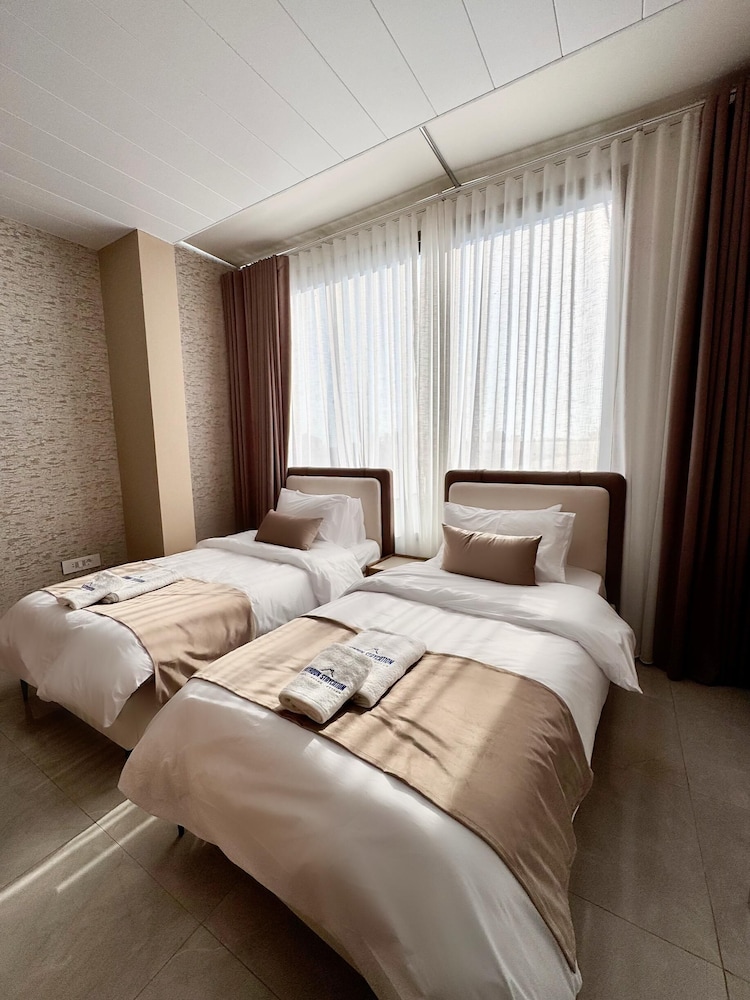
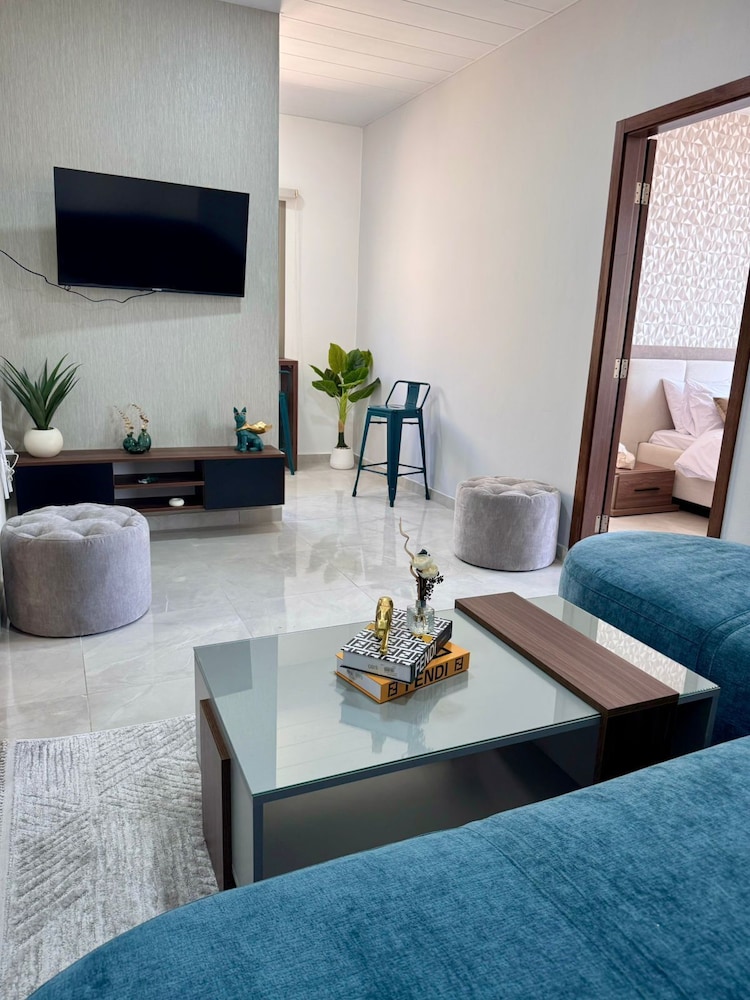
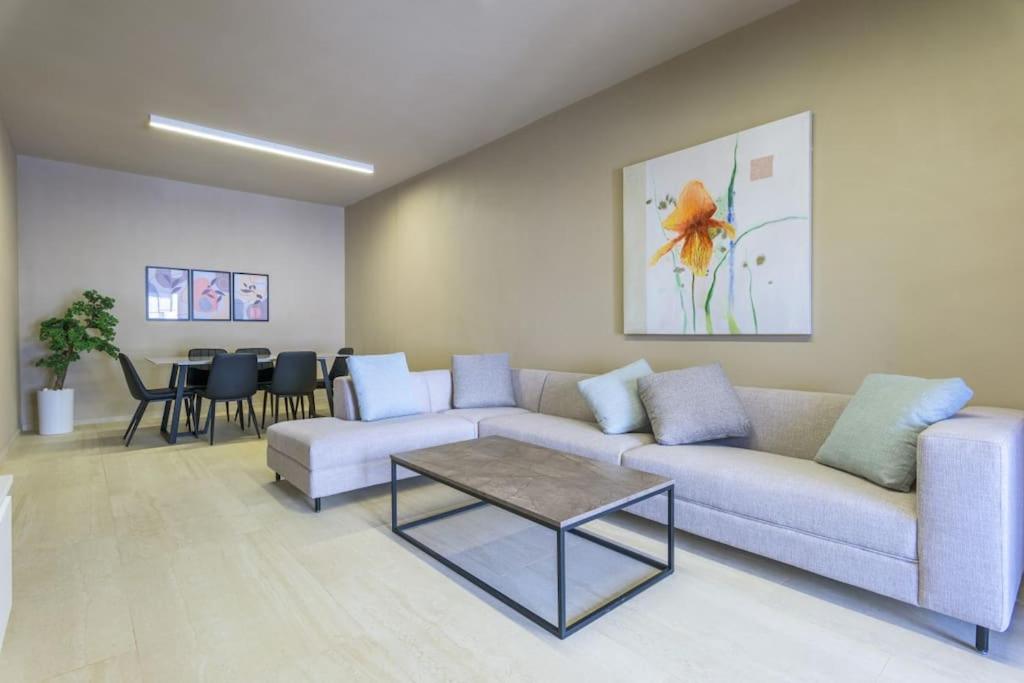
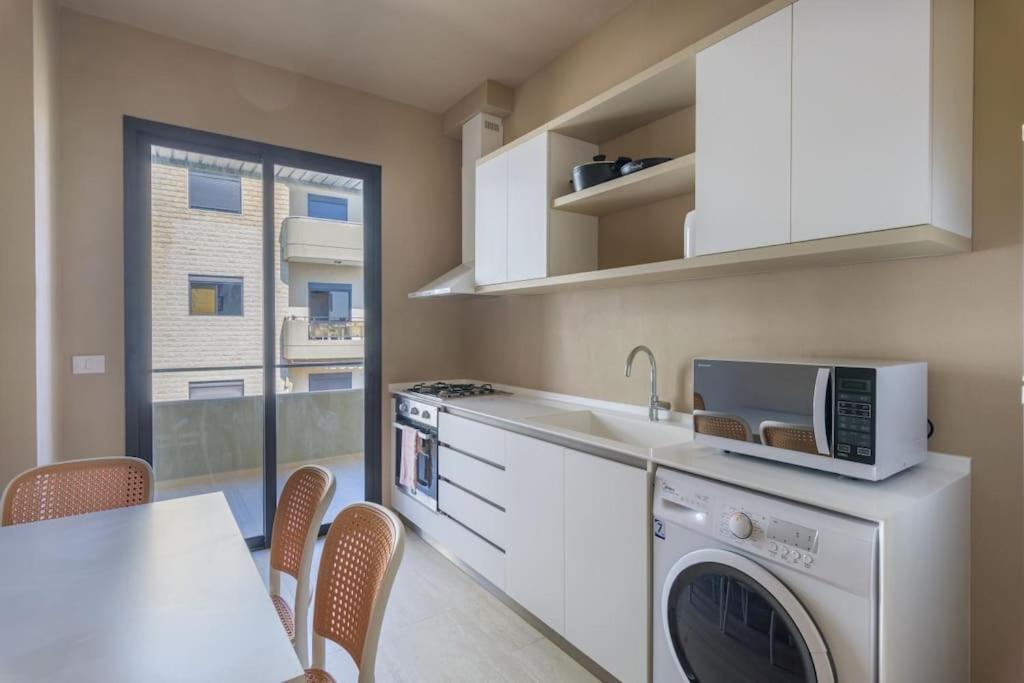
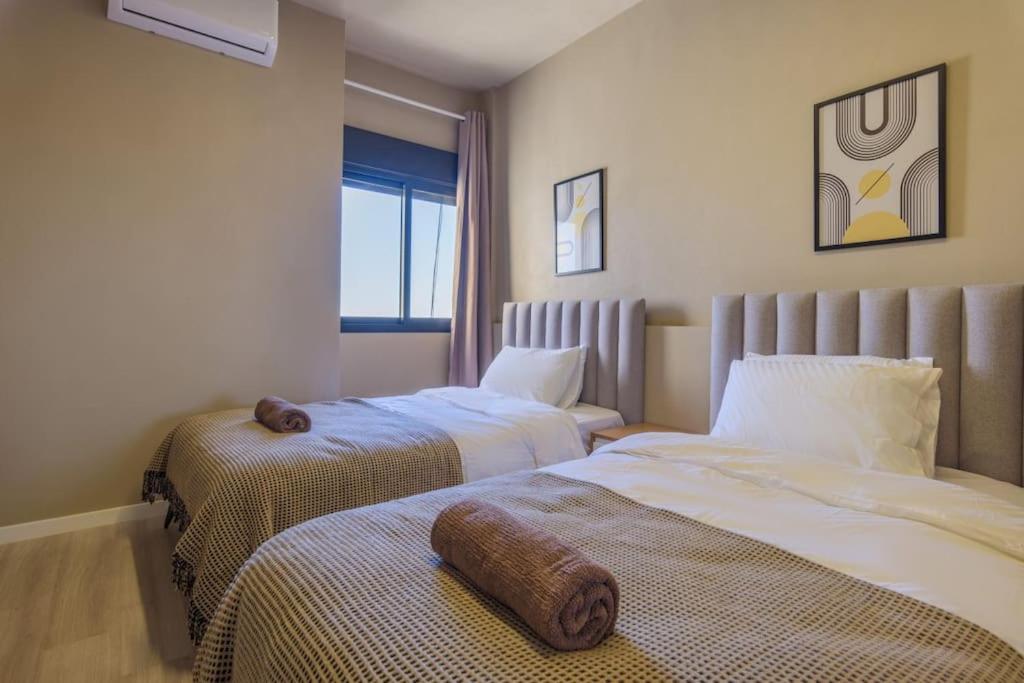
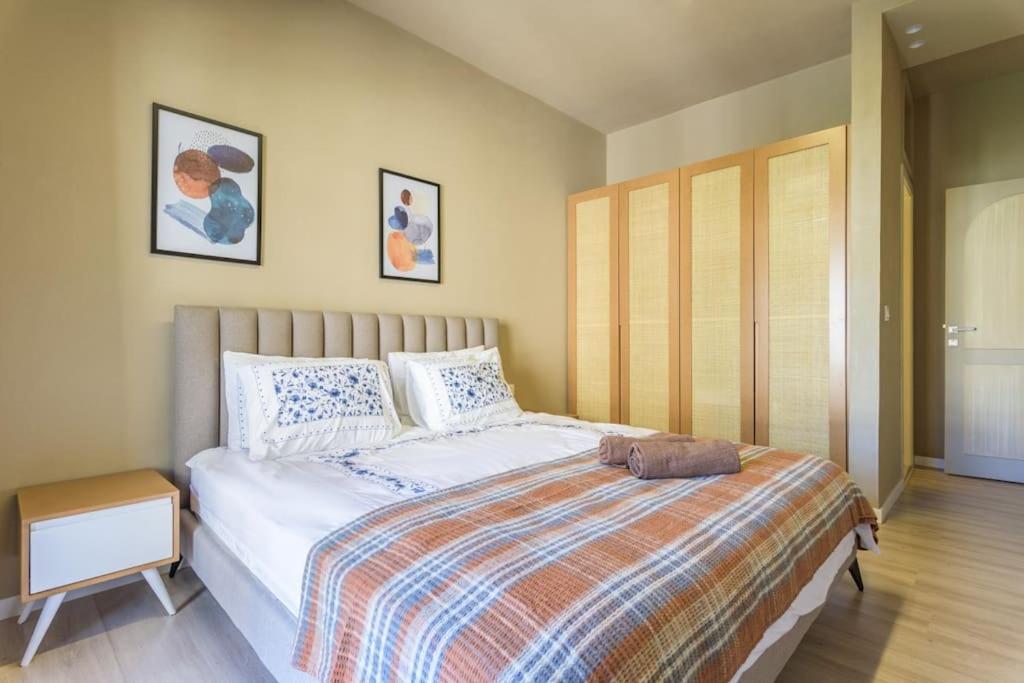
Batroun Retreat 3BR 24-7 Electricity
Batroun
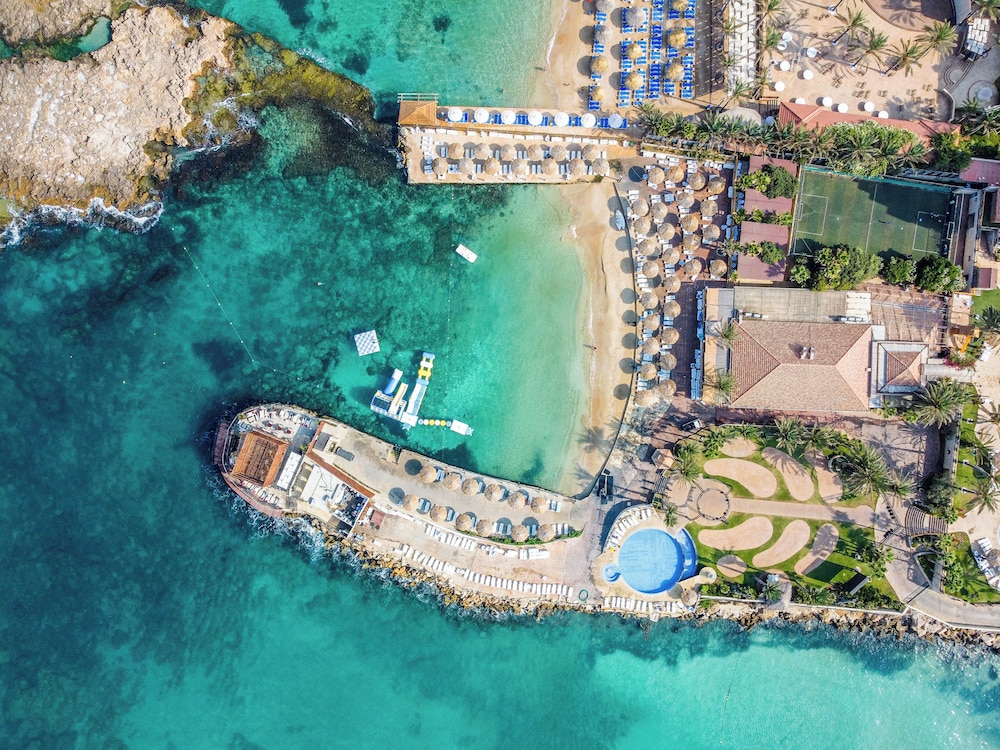
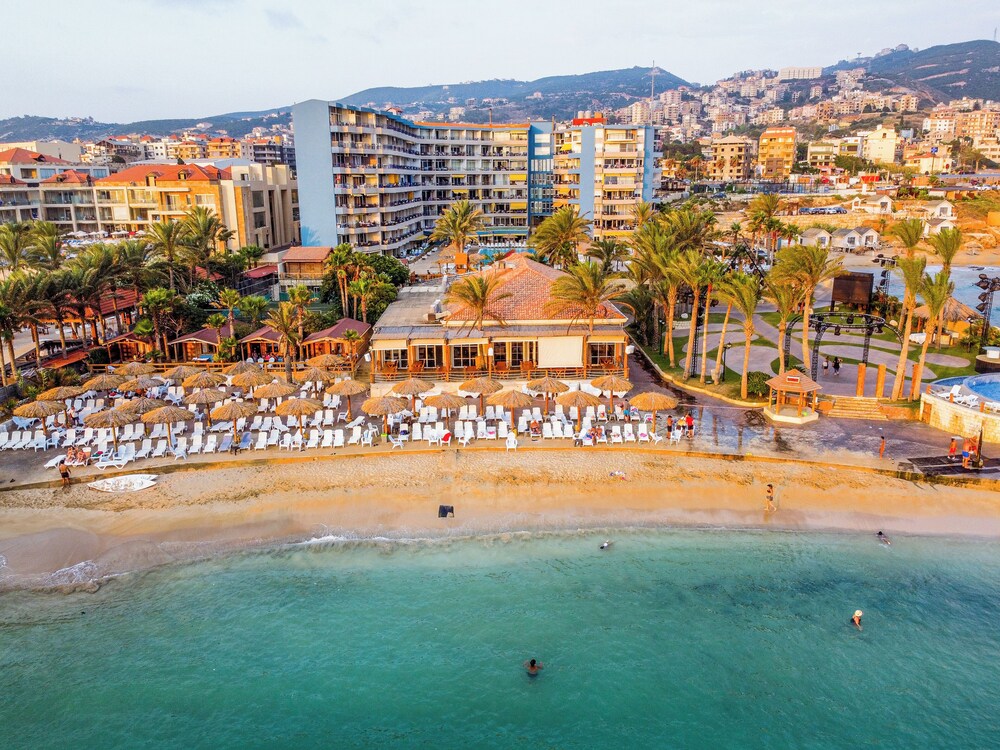
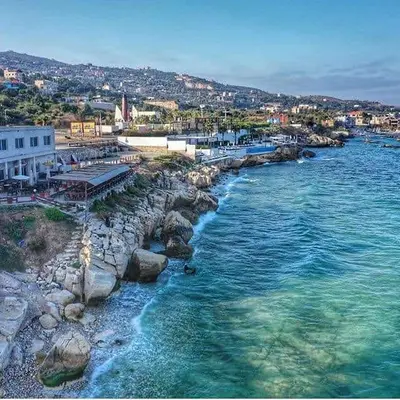
Batroun is a coastal city in northern Lebanon, perched along the eastern edge of the Mediterranean Sea between Tripoli and Beirut. The old town centres on a historic harbour where fishermen still mend nets and small boats bob in the clear water, overlooked by weathered stone churches and narrow lanes lined with limestone houses. A sea wall, reputedly built by Phoenicians, curves along the waterfront and remains a defining landmark. Behind the port, the old souk threads through low archways where local artisans work in small workshops. The surrounding countryside rises into terraced hills planted with citrus groves, olive trees, and vineyards that produce wines recognised across Lebanon. Several sandy beaches and rocky coves dot the coastline nearby, while the mountains inland shelter villages with preserved traditional architecture. The city sits within easy reach of the UNESCO-listed cedar forests higher in the Mount Lebanon range, as well as the ancient ruins of Byblos to the south. Travellers staying here find themselves between agricultural hinterland and open sea, with walking paths connecting the urban core to quieter headlands and small chapels scattered on the slopes above.
May – September
Batroun
Batroun
Batroun
Batroun
Batroun
Batroun
Batroun
Batroun
Batroun
Batroun
Batroun
Batroun
Batroun
Batroun
Batroun
Batroun is a coastal city in northern Lebanon, perched along the eastern edge of the Mediterranean Sea between Tripoli and Beirut. The old town centres on a historic harbour where fishermen still mend nets and small boats bob in the clear water, overlooked by weathered stone churches and narrow lanes lined with limestone houses. A sea wall, reputedly built by Phoenicians, curves along the waterfront and remains a defining landmark. Behind the port, the old souk threads through low archways where local artisans work in small workshops. The surrounding countryside rises into terraced hills planted with citrus groves, olive trees, and vineyards that produce wines recognised across Lebanon. Several sandy beaches and rocky coves dot the coastline nearby, while the mountains inland shelter villages with preserved traditional architecture. The city sits within easy reach of the UNESCO-listed cedar forests higher in the Mount Lebanon range, as well as the ancient ruins of Byblos to the south. Travellers staying here find themselves between agricultural hinterland and open sea, with walking paths connecting the urban core to quieter headlands and small chapels scattered on the slopes above.